If you’ve ever wondered whether a dedicated server vs virtual private server vps is the right choice for your business, you’re not alone. Many website owners face this decision when their traffic starts to grow or when shared hosting can no longer handle their needs. In this guide, we’ll walk through what each option offers and help you decide which one fits your goals best. You can also check out hosting deals and comparisons at Virtual Servers VPS.
What Is a Dedicated Server
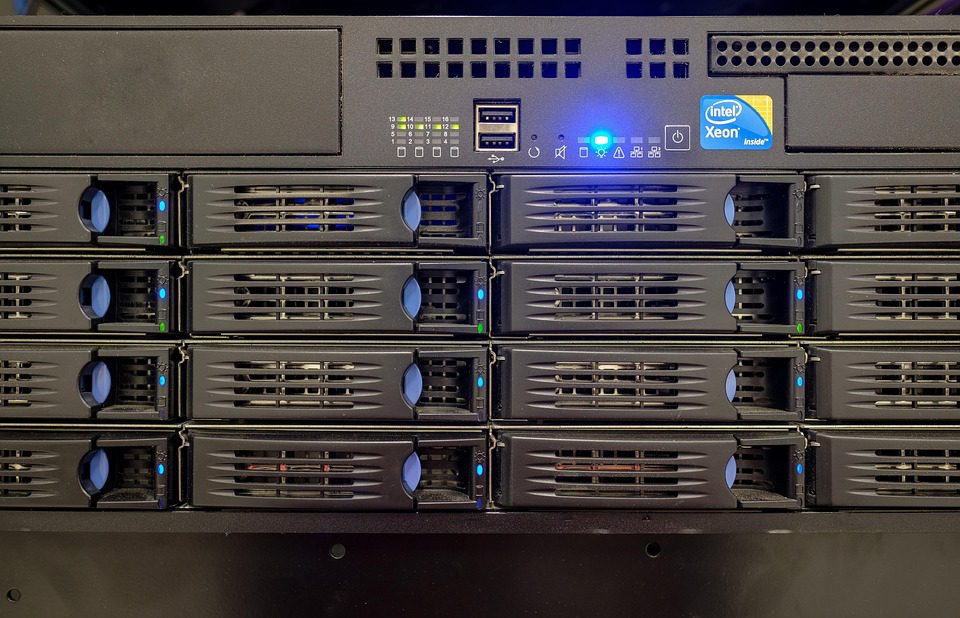
A dedicated server is exactly what it sounds like: a physical machine entirely reserved for one user. You get all the CPU power, RAM, and disk space for yourself. This setup gives you maximum control and top performance, which is why large enterprises, eCommerce websites, and gaming platforms often prefer it. Since you’re not sharing resources with anyone else, performance is stable and predictable.
What Is a Virtual Private Server (VPS)
A VPS, on the other hand, is a virtualized portion of a physical server. Think of it like having your own apartment in a large building: you get private space and control, but you still share the underlying infrastructure. VPS hosting is more affordable than dedicated hosting and still offers strong performance, flexibility, and customization. For small to mid-sized businesses or developers, it’s a great way to balance cost and capability.
Performance Comparison
When it comes to performance, the difference between a dedicated server vs virtual private server vps setup can be significant. Dedicated servers deliver the highest level of speed and stability because there are no resource-sharing limitations. VPS, while slightly slower under heavy load, still provides much better performance compared to shared hosting. With the right provider and enough allocated resources, most websites will find VPS more than sufficient for daily operations.
Pricing and Scalability
Dedicated servers are more expensive, both in terms of monthly cost and maintenance. However, they’re ideal for businesses that require high-spec hardware or handle sensitive data. VPS hosting is much more budget-friendly and can easily scale up as your website grows. You can upgrade RAM, CPU, or storage anytime without changing machines, offering great flexibility.
Security and Control
Security is another key factor when weighing dedicated server vs virtual private server vps hosting. Dedicated servers give you full control over security measures, including firewall setup, operating system configuration, and software installation. VPS users also enjoy strong security, but since multiple virtual machines share the same physical hardware, there’s a small chance of vulnerabilities if the host server is mismanaged. Reputable providers, however, ensure this risk is minimal.
Which One Should You Choose
If your website handles high traffic, runs complex applications, or requires custom configurations, a dedicated server might be worth the investment. On the other hand, if you’re growing a new project, managing a few websites, or testing applications, a VPS offers plenty of power at a fraction of the cost. Start small and scale up when you need more resources — that’s the beauty of virtualization.
Understanding the trade-offs between a dedicated server vs virtual private server vps setup is vital for making a smart hosting decision. Evaluate your budget, performance needs, and long-term goals before committing. Whether you prioritize absolute control or efficient scalability, both options can deliver excellent results when paired with a reliable hosting provider.




Leave a Reply
You must be logged in to post a comment.