If you’ve ever searched online for better website performance, you’ve probably seen the term que es VPS virtual private server pop up on hosting blogs and tech forums. But what does it really mean, and why is it important for your online growth? To explore in detail how it works and what benefits it offers, you can visit Virtual Server VPS for a complete overview and practical examples of VPS hosting in action.
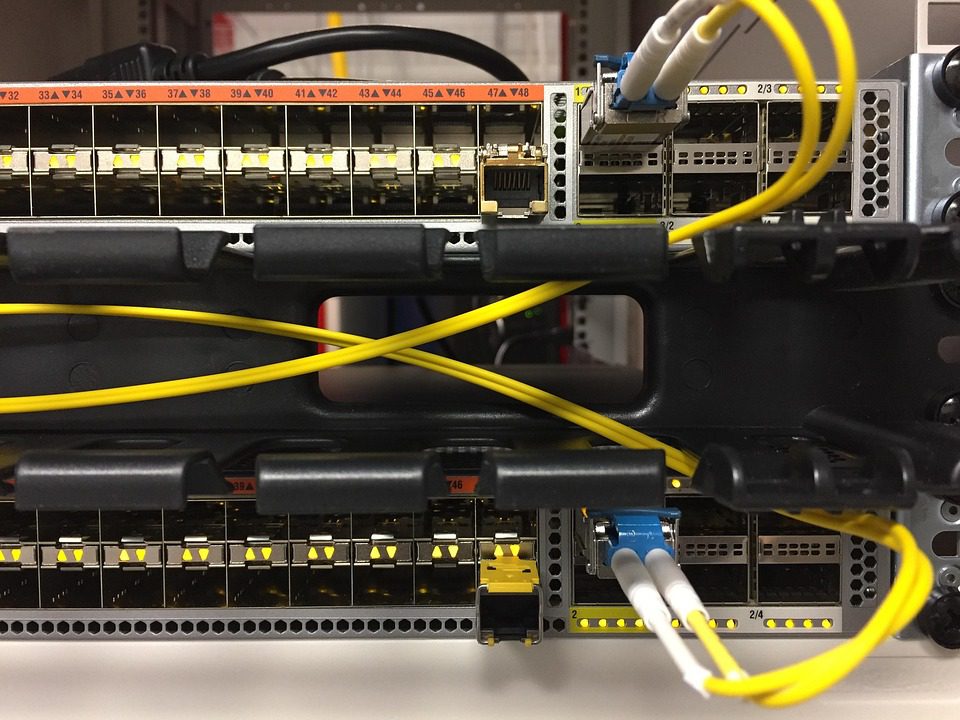
In simple terms, a VPS (Virtual Private Server) is a type of hosting environment that divides a single physical server into multiple smaller virtual machines. Each of these virtual servers operates independently, with its own operating system, resources, and storage. This setup bridges the gap between low‑cost shared hosting and powerful dedicated servers, offering a balanced solution for businesses and individuals who want professional‑grade performance without paying thousands of dollars per month.
When people ask “que es VPS virtual private server,” they’re essentially asking about how virtualization technology changes online hosting. The core idea is resource isolation. Instead of multiple users competing for memory or bandwidth, each VPS user receives a guaranteed share of hardware power. This ensures consistent speed and security no matter what happens on neighboring virtual machines.
Performance is one of the biggest advantages of a VPS. Because you control your own allocation of CPU, RAM, and storage, your website can handle higher traffic volumes and complex applications. This is especially valuable for e‑commerce stores, large blogs, or software platforms that can’t afford downtime or lag. With a virtual private server, you can fine‑tune performance just as you would on a dedicated server, but at a fraction of the cost.
Security is another major reason why many professionals switch from shared hosting to VPS hosting. Each VPS is isolated, meaning your data and applications aren’t affected if another site is compromised. You can also install custom firewalls, SSL certificates, and security software according to your specific requirements. Reliable providers like Virtual Server VPS back this up with additional protection layers and regular backups, reducing the risk of data loss or cyberattacks.
Scalability makes VPS hosting even more appealing. As your website grows, you can easily upgrade your resources without migrating to a new server or facing downtime. Since VPS setups are built on virtualization platforms, adding more CPU cores or additional RAM takes only a few minutes. This flexibility is especially beneficial for startups and scaling businesses that expect big changes in traffic volume.
Another key advantage is technical control. With a VPS, you get root or administrative access to your environment, meaning you can install applications, configure the server, and optimize settings to your exact preferences. Developers, system administrators, and digital agencies rely on this freedom to create custom hosting experiences tailored to specific frameworks such as WordPress, Magento, or Node.js.
In conclusion, understanding que es VPS virtual private server is essential for anyone planning to grow their online presence. It represents the perfect middle ground between affordability, performance, and control. By choosing a trusted provider like Virtual Server VPS, you get enterprise‑level reliability, efficient resource management, and the ability to expand as your project evolves. Whether you run a personal blog or a global online store, learning how VPS hosting works can give your site the speed, stability, and professional foundation it deserves.
Leave a Reply
You must be logged in to post a comment.