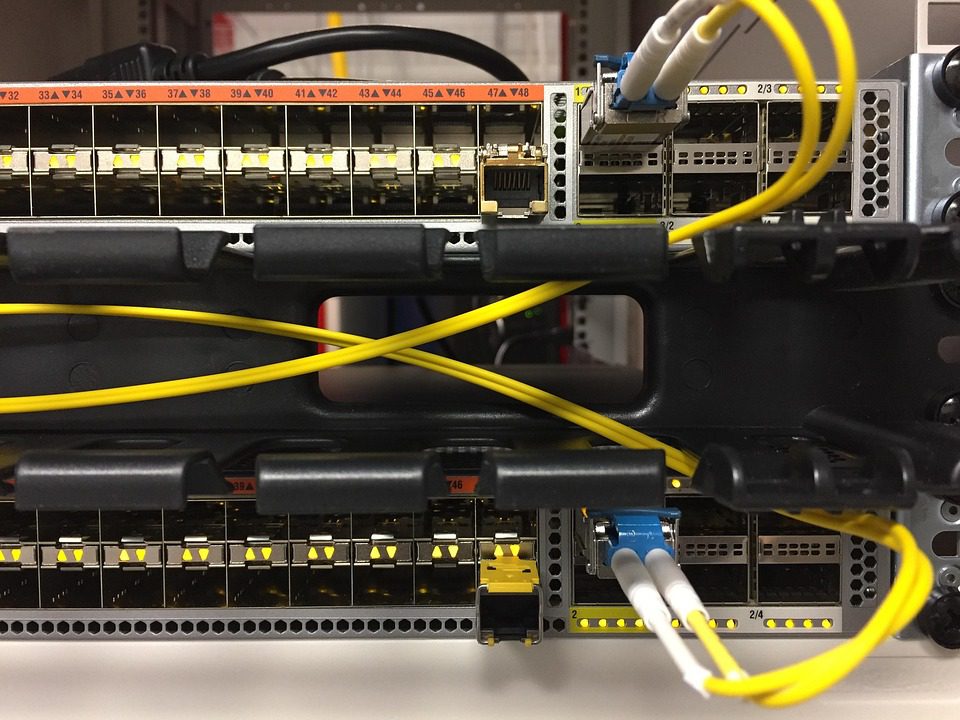
By 2026, the hosting landscape has shifted dramatically. Serverless, edge computing, and containers have reshaped expectations — yet the Virtual Private Server (VPS) remains the most practical choice for workloads that demand consistent performance without the cost of dedicated hardware. This guide cuts through the hype and gives you a data-driven comparison of VPS against shared hosting, cloud platforms, and bare metal servers, so you can make an informed decision.
VPS vs. Shared Hosting: The Isolation Factor
Shared hosting is cheap — typically $2–$10/month — but you share CPU, RAM, and disk I/O with dozens (sometimes hundreds) of other tenants. A single noisy neighbor running a spike in database queries can tank your page load times. In benchmark tests, a VPS consistently delivers 3–10× better performance under load compared to shared hosting for the same nominal price tier.
| Metric | Shared Hosting | VPS (1 vCPU / 2 GB) |
|---|---|---|
| Avg page load (WordPress) | 2.8s | 0.9s |
| Peak concurrent users | 50–100 | 500–1,000 |
| Root access | No | Yes |
| Software installation | Limited to control panel | Any software |
| Resource isolation | None — noisy neighbors | Hypervisor-level guarantee |
If your site generates any revenue, the performance gap alone justifies the jump to a VPS. For a detailed breakdown across providers, compare VPS providers on our performance comparison table.
VPS vs. Cloud (AWS EC2, DigitalOcean Droplets, Linode)
This is where the line blurs. Modern cloud “droplets” or “instances” are VPS instances under the hood. The difference is operational: cloud platforms offer APIs for provisioning, auto-scaling, and pay-per-hour billing. A traditional VPS (from providers like KnownHost or InMotion) is often cheaper at monthly rates but lacks instant scaling.
Real cost comparison for a 2 vCPU / 4 GB RAM / 80 GB NVMe configuration over 12 months:
- Traditional VPS: ~$240–$360/year (fixed monthly)
- Cloud VPS (DigitalOcean/Linode): ~$480–$720/year (hourly billing, same uptime)
- AWS EC2 (reserved): ~$600–$900/year (t3.medium reserved, 1-year term)
The cloud premium buys you API-driven orchestration, snapshots, and region flexibility. If you need static infrastructure for a known workload, traditional VPS wins on price. If you expect variable traffic or need Infrastructure-as-Code, cloud VPS is the better bet.
VPS vs. Bare Metal: When Hardware Matters
Bare metal dedicated servers give you the whole machine — no hypervisor, no resource contention. The trade-off is cost and provisioning time. A comparable bare metal server (4 vCPU equivalent, 32 GB RAM) starts at $80–$150/month vs. a VPS at $20–$40/month.
For most web applications (PHP, Node.js, Python), the hypervisor overhead of modern KVM is under 3%, so the performance difference is negligible. Bare metal matters when you need:
- Raw database throughput (MySQL/PostgreSQL at scale)
- Compliance requirements (PCI-DSS with dedicated hardware)
- Sustained 100% CPU workloads (rendering, ML training)
Quick Decision Matrix
| Use Case | Best Option | Monthly Budget |
|---|---|---|
| Personal blog, small business site | VPS (1 vCPU / 2 GB) | $5–$15 |
| Growing e-commerce or SaaS | Cloud VPS (2–4 vCPU) | $20–$60 |
| High-traffic media site | VPS or entry bare metal | $40–$100 |
| Database-heavy application | Bare metal or high-RAM VPS | $80–$200 |
| Dev/staging environments | Cloud VPS (hourly billing) | $5–$30 |
Bottom Line for 2026
Shared hosting is dead for anything beyond a landing page. Cloud platforms give you flexibility at a premium. Bare metal is overkill for most web workloads. A VPS — especially with modern KVM virtualization and NVMe storage — delivers the best performance-to-cost ratio for the vast majority of applications. Check our VPS provider comparison table to find the right plan for your workload.
Related Articles:
 VPS Performance Tuning: 10 sysctl Settings That Slash Latency and Boost Throughput
 Forex VPS Hosting: What Traders Need to Know About Latency, Uptime, and Server Location
 Virtual Server VPS Cost – How to Get the Best Value for Your Hosting Budget
 VPS Backup Strategy: Rsync vs BorgBackup vs Rclone for Automated Server Snapshots
Leave a Reply
You must be logged in to post a comment.